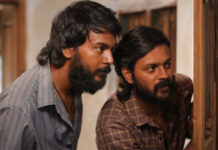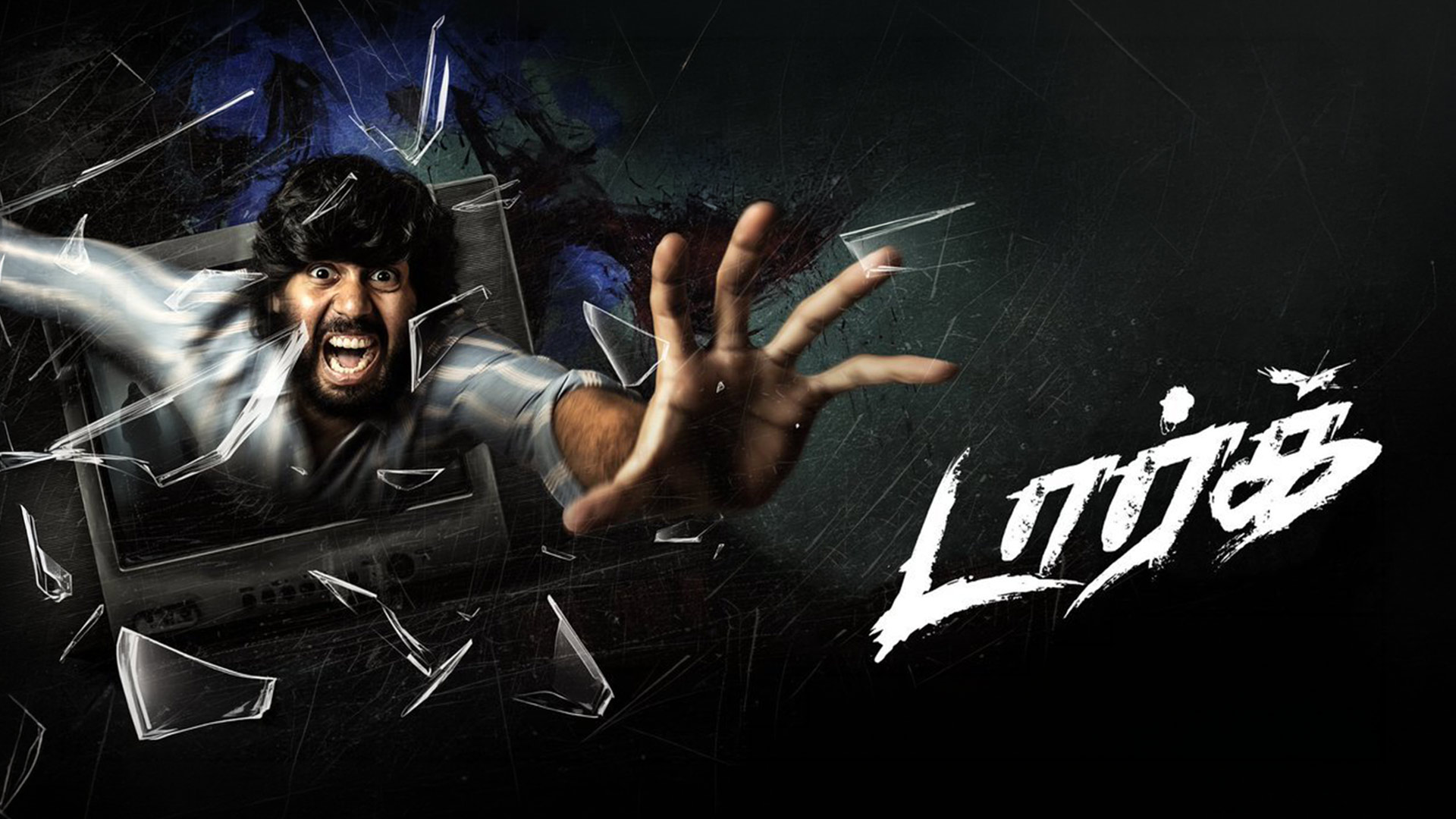
One of the three young men renting a house owned by K. Bhagyaraj brutally murders the other two and then commits suicide. After this shocking incident, the house remains vacant, as no one dares to move in. However, attracted by the low rent, the protagonist Ajay Karthik decides to occupy the house despite knowing its dark history.
Confident at first, Ajay begins staying in the house, but within a few days, he starts experiencing strange supernatural occurrences and is left terrified and shaken.
Meanwhile, Ajay suddenly dies after violently harming himself, followed by the death of the house owner K. Bhagyaraj. When police officer Natti arrives at the scene and begins investigating, something bizarre happens—Ajay’s dead body suddenly revives briefly, warns him, and collapses again. Shocked by this incident and the mysterious reference to his name by someone unknown, Natti intensifies his investigation, uncovering several disturbing truths.
What are these revelations? What is behind the mysterious deaths of the young men and the supernatural occurrences inside the house? The answers form the spine-chilling narrative of ‘Dark’.
Review
In Tamil cinema, where horror films are often blended with comedy, ‘Dark’ stands out as a rare pure horror experience in recent years. The film maintains a gripping atmosphere of fear and tension throughout, keeping the audience constantly on edge.
Performances
Ajay Karthik, who plays the protagonist, delivers a strong performance. Starting off as a carefree young man, he convincingly portrays the gradual psychological breakdown after encountering supernatural events. His expressions of fear and confusion are effectively conveyed, allowing the audience to feel the tension alongside him.
Natti, as the police officer, delivers a compelling performance as he transitions from treating the case as a routine investigation to uncovering its disturbing truth.
Veteran actor K. Bhagyaraj, as the house owner, brings depth and presence to the film with his experience, adding weight to the narrative.
Supporting actors including Anjana Nethran, VTV Ganesh, Indumathi Manigandan, and Ciby Chakravarthy leave a mark despite limited screen time.
Technical Aspects
Cinematographer Ravi Sakthi makes excellent use of lighting to enhance the horror elements. Instead of relying on darkness alone, he creates a sense of hidden mystery within the shadows. His framing and low-light visuals successfully maintain suspense and unease throughout the film.
Music composer Manu Ramesh elevates the horror experience with a subtle and atmospheric background score. Instead of relying on loud jump-scare sounds, he uses silence and minimal sound design effectively, increasing tension and making even small noises feel unsettling.
Editor Kathiresan Alagesan deserves praise for structuring the film in a way that keeps the audience guessing. The cuts are sharp and unpredictable, making it difficult to anticipate when or how the scares will occur.
Art director Shanmugaraja has designed the house in a way that itself becomes a source of fear, enhancing the mood and tone of the film.
Direction
Writer-director Kalyan K. Jegan presents a psychological approach to horror rather than relying on conventional ghost tropes. The story revolves around mysterious deaths and the psychological trauma of the protagonist, building tension in a way that engages the audience throughout.
Although the film is largely confined to a single location and has some logical inconsistencies, its strength lies in its ability to sustain fear without explicitly showing a ghost. Instead, it focuses on the psychological impact of fear, which works effectively.
The director’s use of silence instead of loud horror cues is particularly effective, leaving a lingering sense of unease even after the film ends.