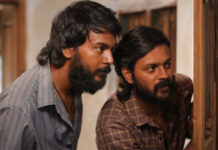
Cast: Radikaa Sarathkumar, Singampuli, Aruldoss, Munishkanth, Bala Saravanan, Ilavarasu, Muthukumar, George Maryan, Raichal Rabecca
Music: Nivas K. Prasanna
Production: Passion Studios & Sivakarthikeyan Productions – Sudhan Sundaram & Sivakarthikeyan
Director: Sivakumar Murugesan
Story
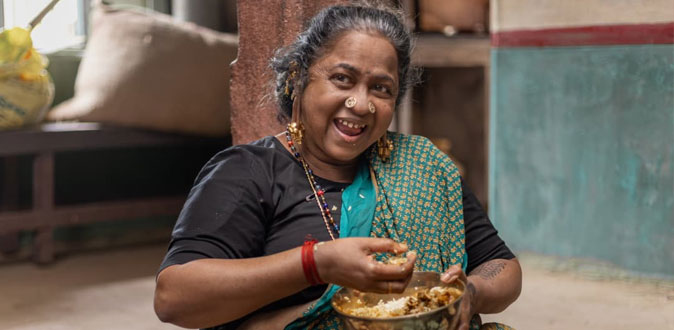
Radikaa Sarathkumar plays an elderly widow who has independently earned and accumulated wealth through sheer hard work. Determined not to hand over her property to her children while she is alive, she continues to enjoy her life on her own terms. A strict moneylender, she commands fear and resentment among villagers — who secretly await her death. Her three sons and son-in-law are no different, eagerly eyeing her wealth.
When she suddenly falls unconscious due to ill health, both the villagers and her family begin anticipating her demise. Meanwhile, the sons discover that she had recently purchased 160 sovereigns of gold jewellery.
According to local custom, while property and land go to sons, jewellery belongs to the daughter after the mother’s death. Greed takes over, and the sons decide to keep their mother alive just long enough to secretly seize and divide the jewellery among themselves.
Did she survive?
Did the sons succeed in their plan?
The film narrates this story as a portrayal of rural life in southern Tamil Nadu, blended with themes of female courage and self-reliance.
Performances
Radikaa, playing Pounuthayi, is positioned as the central pillar of the film. However, despite her efforts to project boldness, arrogance, and confidence, the performance feels exaggerated. Her makeup, body language, and mannerisms fail to convincingly reflect the essence of a grounded rural working woman, often creating emotional disconnect rather than empathy.
The supporting cast — Singampuli, Aruldoss, Bala Saravanan, Raichal Rabecca, Muthukumar, Munishkanth, and Ilavarasu — deliver performances within their familiar comfort zones, serving the screenplay without leaving major impact.
Technical Aspects
Nivas K. Prasanna’s songs and background score blend into the dialogue-heavy narrative but fail to create a lasting impression.
Cinematographer Vivek Vijayakumar makes a sincere effort to capture the earthy texture and rural backdrop of southern Tamil Nadu.
Editor Sean Lokesh appears largely focused on introducing numerous characters and establishing relationships. However, the inherent melodrama in the screenplay limits the impact of his work.
Direction & Writing
Director Sivakumar Murugesan attempts to convey a message about women living independently with courage and self-confidence, using the story of an elderly village woman. While the intention is noble, the execution leans heavily toward artificial melodrama rather than organic storytelling.
Though rural lifestyle and dialect receive considerable attention, certain scenes portray villagers in an unintentionally caricatured or insensitive manner. Logical inconsistencies and forced comedic elements weaken the narrative further.
Verdict
Thaai Kizhavi carries a relevant message about women’s independence and self-reliance. A few humorous moments and the underlying theme work in its favor. However, exaggerated performances, excessive melodrama, and uneven writing dilute the film’s emotional strength, making it a mixed experience overall.